A Wild Beast at Heart
Hunting stories, fishing, outdoors, firearms and books.
The Essence of Life
Thursday, June 11, 2026
A Century Old Fun…
Thursday, June 27, 2024
Keeping Up With The New Times!
“In
our rather stupid time, hunting is belittled and misunderstood, many refusing
to see it for the vital vacation from the human condition that it is, or to
acknowledge that the hunter does not hunt in order to kill; on the contrary, he
kills in order to have hunted.”
Jose Ortega y
Gasset –
Meditations on Hunting
As
a hunter I am a traditionalist at heart. I like to keep things simple while I enjoy
time with and within nature, away from the tribulation of “our rather stupid
time.” But, if hunt is to continue to be a relevant activity, from ecological,
economic, cultural or societal standpoints, then we must continue to recruit
new hunters, from all diverse segments of society, and that means that even troglodytes
like me must accept certain new-fangled things intruding in our hunting
experience.
One
of the greatest pleasures that I have is to spend time afield with my grandson
Sylas, be it in a deer blind or walking after Hawk while he is using his nose
to locate woodcock, grouse or pheasants. But sitting in a blind with a ten-year-old
boy presents certain challenges, especially if deer take longer than five
minutes to show themselves. For as much as I hate to admit, the solution for
quite some time has been to allow him to watch videos or play games using a
smart phone or tablet. I know that this may offend certain purists, even more traditionalist
than me, after all I mostly use a centerfire rifle for deer and not a long bow,
but I would rather have my son hunting with me, even if on occasion he is
looking at a phone screen, than not having him hunting with me.
But
the unavoidable presence of the smart phone in the blind let me to consider that
that new-fangled thing might have more practical uses than just keeping children
entertained, to the point that I had a slide about the use of smart phone in
the field during the last Hunter Education class that I taught.
So,
how could a smart phone be used while hunting:
· Safety: if coverage is available, you
could use your phone to contact family, friends or first responders in case of
an emergency. Even without coverage, you could pinpoint the geocoordinates of
your hunt blind or tree-stand and share with your loved ones before going
hunting so it would be easy to locate you if you get delayed by weather or an
accident. Talking about weather, the phone can be used both to check weather
forecasts and receive alerts about inclement weather.
Other useful features are compass
and GPS (satellite based), navigation apps and a flashlight. Believe it or not,
but in a late season archery hunt in Illinois the three flashlights that I had
all went dead (maybe due to the very cold weather), and in the end of the day
(or beginning of the night!) my phone provided the only light for me to walk out
safely.
· Compliance: Following applicable laws and
regulations is as important as proper ethical behavior afield. Of course, the
specifics will depend on where you may be hunting, but here in Michigan you can
use a smart phone to first download the DNR app, and then you can review
regulations specific for you target game and season up to checking legal shooting
hours for each day of the season! You can also complete the mandatory Harvest
Report for deer even before you drag your quarry out of the woods, and using GPS
or any number of apps the hunter can verify that he is outside of the 450 feet
safety zone from any dwellings.
· Entertainment: While my grandson prefers to
watch videos or play games, I have a reasonably large and eclectic library on
my phone, ranging from classic hunting books to science fiction to literary
classics to comedy. I have a friend that likes either music or audio books and
my son would probably listen to podcasts. I rather keep my hearing unobstructed
and try to listen to any disturbances to the fall leaves that blanket the
ground or to the wild music the Canada geese play when flying overhead.
· Record your experiences: The camera capabilities of most
modern smart phones, either for still pictures or movies, are outstanding, and
as we move away from the precious written word to the world of multimedia, a
lot of people nowadays focus on that. Reactionaries like me take notes and
later try to write a blog (similar to this) to relate their experiences. Many anthropologists
correlate the development of human language and the need of hunters to communicate,
teach young hunters and especially to tell stories and tales about their past experiences.
The modern hunter, whether young or old, can also use his story telling
abilities, written or pictographic, to recruit new hunters and help perpetuate
our unique way of life.
I bet that the younger generation that is much more versed on the use of smart phones than me will be able to come with a myriad of other potential uses for their handheld devices, but we should be smart enough to use modern gadgets to help us recruit, retain and reactivate hunters and have more people enjoying the great outdoors.
Friday, June 21, 2024
This week I received back from taxidermy the European mount for the Cape Buffalo that I shot in South Africa in August 2022. I included the rifle in the photo for scale. The little Mauser is 45" long, and the horns measured 45-6/8" on the outside spread. These massive horns are a testimony to the power and beauty of the Cape Buffalo and will help me remember that hunt as long as I live
Monday, April 8, 2024
Casual Encounteurs
Tuesday, February 20, 2024
Some Hunting & Shooting Quotes
Besides hunting and reading, I also enjoy watching classic movies, and once in a while I come across a dialogue or phrase that is relevant to both hunting and shooting. Here you will find four of those instances, and if you haven't watched these movies they are great entertainment.
"What is important?
To hit the target.
When?
The first shot.
Why?
Because I might not get another."
Dialogue between Matt Calder (played by the laconic Robert Mitchum) and his son Mark Tommy Rettig) in the motion picture River of No Return (1954), just before they save Kay Weston (Marilyn Monroe) and her no good boyfriend Harry Weston (Rory Calhoun) from the rapids.
What do you think was in my mind when my family and I rafted down the Middle Fork of the Salmon River, a.k.a. River of No Return, last year? We didn't find their homestead, but stopped at Buckskin Bill's! But that is another story.

"Oh, Harry, have you done any hunting lately?
No, why do you ask?
Too bad. A man should never lose his hand at hunting."
Dialogue between Uncle Bill (Leo G. Carroll) and Harry Street (Gregory Peck) in the motion picture The Snows of Kilimanjaro (1952), based on Ernest Hemingway's short story.

"Bring up your gun, put your finger on the trigger, and take a deep breath to steady your nerves..."
Just about every character say this to our beloved hero Reuben Soady (Jeff Daniels) in the classic Michigan's Upper Peninsula deer hunting movie Escanaba in da Moonlight (2001).
There are some many great one-liners in this movie that if probable deserves a post exclusively for them.

"I'll never forget the first deer that I shot."
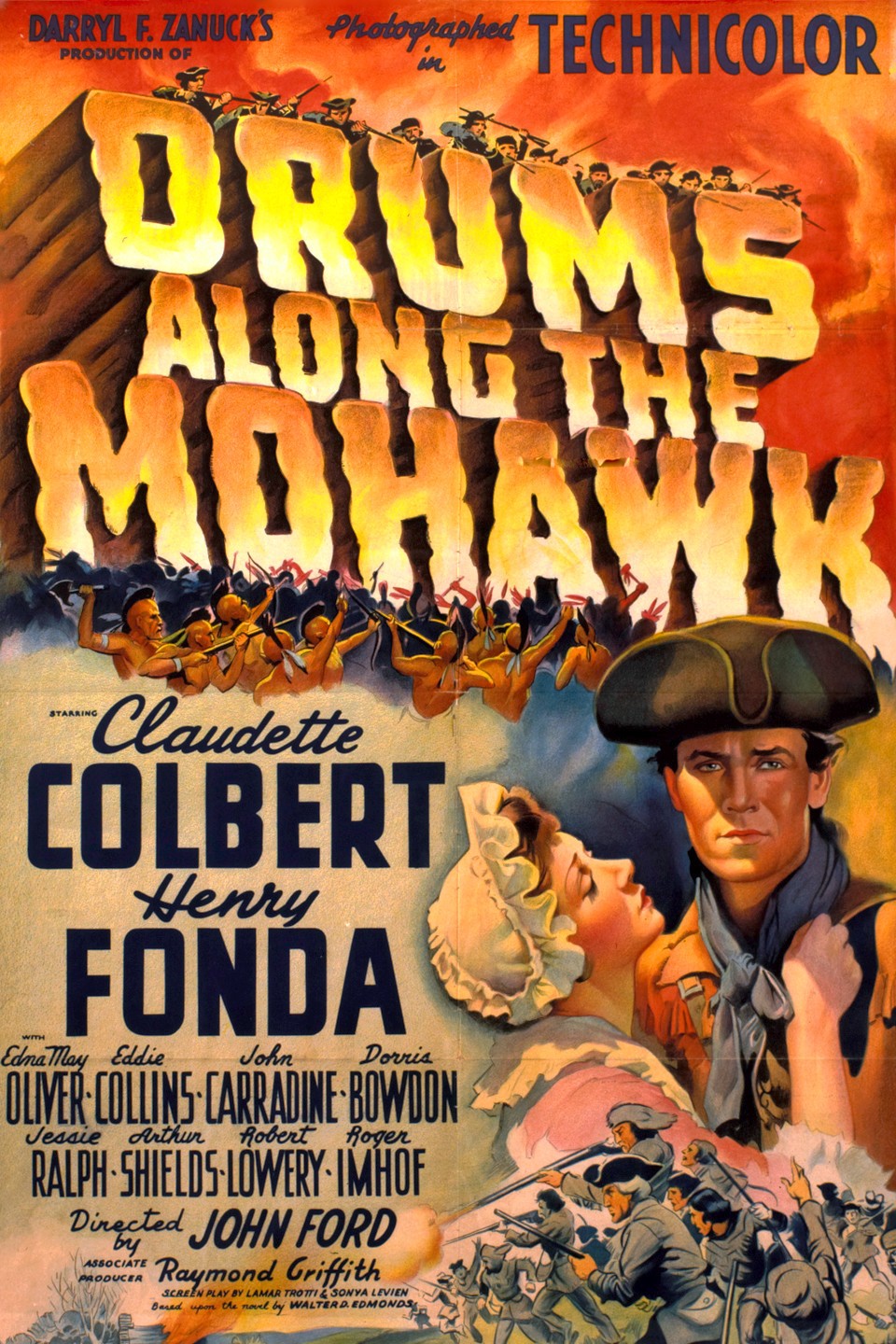
Brigadier General Nicholas Herkimer (Roger Inhof) on being told that his leg must be amputated when he bleeds to death during the surgery in Drums Along the Mohawk (1939).
Friday, December 15, 2023
The Perfect Hunt
“When you want something, all the universe conspires in helping you to achieve it." - Paulo Coelho, The Alchemist
Sylas and his parents (my daughter and her husband) got to “The (Soon To Be) World Famous Meirelles Deer Camp” Thanksgiving night after I had shot my buck. On Black Friday morning the ladies went to town while the gentlemen had more pressing priorities, specially sighting in or getting used to rifles, in Sylas case a brand new Ruger American chambered in 350 Legend.
For some reason Sylas was very afraid of the potential recoil from his new rifle and it was a battle, involving tears and whining and other unpleasantries, to have him shoot the very mildly recoiling gun a couple times in order to get ready for the afternoon hunt.
Food and time riding my ATV erased any bad feelings from the morning target shooting session and by 3:30 PM we were leaving the more than comfortable club house with a lot of hunter-orange to provide both legal compliance and an extra measure of safety, even if we were hunting private property from an enclosed elevated blind.
Either by design or accident there is a concealed parking spot just yards from the blind and transporting the gear upstairs was no chore at all. Once we were properly and comfortably installed I loaded Sylas’s rifle and placed it securely against a corner and got my most indispensable piece of gear: a pair of binoculars. I will not even touch my rifle before I have identified a potential target through binoculars and assure that a shot would be safe.
But I digress, this story is about Sylas. No more than a handful of minutes after we arrived, a pair of very young deer, probably buck fawns came out from the wood line just west of us and started browsing the late fall vegetation and Sylas asked if he could shoot one of them. My answer was that he could shoot either of them, but should he? They were very young and small deer that would result in very little, but delicious, venison. Was one of those young deer the trophy he was looking for? Besides, while some people use artificial decoys to attract deer, we could just wait and let those fawns be our live decoys. Their presence would provide confidence for other animals that could potentially come into the clearing.
Nothing reinforces a lesson as well as real life practice. I had barely ended my lecture when I saw a brown shape moving rapidly inside the wood line about a hundred yards away. I told Sylas to pay attention as an animal much larger than the ones in front of us was just inside the woods, although I couldn’t tell wether it was a buck or a doe.
Things started to pick up pace as a buck emerged from the woods and slowly walked straight to the blind! I passed the binoculars to Sylas so he could evaluate the buck and the inevitable question came: “Can I shoot him?”
“Of course you can, but he is a bit far away and facing us. Why don’t you wait a little for him to get closer and turn broadside.”
From that point on it was like if the buck was being remotely controlled. At 54 yards the buck stopped and turned left, showing his right side to us. At this point I handled Sylas his rifle and he rested it on the window rail. The Leupold VX-R was already turned on and the little red dot provided an accurate reference for the young hunter. “Fufu I can’t take the shot. There is brush in front of the deer and at Hunter Safety they said that it is not safe to shoot an animal behind vegetation.”
I asked him to wait until the buck took a step forward and to make sure to aim at a spot directly up from the front leg and about the middle of the shoulder. Again, like by remote control the buck took that important step forward.
After the shot rang and the buck bolted towards the woods Sylas was positive. “I know I hit! The tail went down and he crunched downwards. Only deer that are hit react like that.” Not a bad observation for a ten year old boy.
During the next several minutes we put away our gear, I took off my bibs and heavier coat and got ready for the tracking job. After making sure that the rifle was ready but safe we climbed down and walked towards the spot the buck stood when shot and put nose to the grind stone looking for that magical first drop of blood eventually spotted by the young hunter himself.
Before moving forward we talked about how, if we lost the trail, coming back to first blood was important and that he should mark it, which he did using his red ear muffs. We slowly charged ahead, found more blood and came to inevitable split of the trail. Did the buck kept going west or turned southwards? We discussed the possibilities and found that ferns on the south side looked disturbed like by a running animal.
At this point I told Sylas that we would maybe look for another yard or two and get back to the blind so we wouldn’t risking jumping the wounded buck. It is always safer to let the animal lay down and get weaker than keeping the adrenaline up and trying to escape. But the lesson was almost pointless; as I raised my eyes, fifteen or twenty yards ahead of us was a very dead nine-pointer buck.
I called Trevor who was hunting in the cornfield across the road to help load the buck on the ATV and before taking any pictures made sure that Sylas placed the letzebissen (last bite) in the bucks mouth. This European tradition places a sprig of vegetation, as both a symbol of respect and gratitude, in the animal’s mouth. Immediately afterwards I removed my hat and shaking his hand said “Weidmanssheil” and explained to him that the proper answer is “Weidmannsdank.”
While hunting is very different than killing, the finality of the kill is what makes hunting real. Taking a life is a very serious action, and in my view the animal should be commemorated with more formality and respect than a high-five. In our rather convoluted times a bit of tradition and propriety goes a long away to make an hour spent in the woods between grandson and grandfather an even more unforgettable experience.
Wednesday, June 28, 2023
The Haversack
When I was a child a haversack (the name in Portuguese is "embornal") was a very common household possession, especially in the rural environment where I grew up.
Everyone of the farm employees had one, almost always white made from discarded and reclaimed flour or sugar cotton sacs and with their initials embroiled by hand, with greater of lesser skill. Every morning around 9:30 the wives or daughters would bring the haversacks with the just cooked lunch and hang them in hooks outside the farm workshop from where they would be taken to the fields.
That pretty much defined the standard dimension of the haversacks, since hey had to have enough room for a caldron about six inches in diameter, which contained the inevitable rice and beans filling about three quarters of the volume and some sort of meat, pork or chicken being the most common, since almost every family kept at least one capon and several piglets plus a number of chickens, hens, and at least one nice looking rooster.
The lid was kept in place by an elastic band, and together with it would go a former soft drink glass bottle filled with very sweet, and soon to be cold, coffee. Those haversacks had a very practical use, but almost everyone of those men also liked to fish, and some to hunt, even if only to provide some free protein for their families, but none had fishing boxes, all they need would fit in another haversack. And why not, since their wives could make them for almost free?
My brothers and I had our lunches in haversacks many times, more out of wanting to be part of the environment than for need, but like most of the other children in the farm we used ours to help us in our adventures.
So I started to consider what a haversack should be stuffed with to make us feel like children again!
First and foremost it should have a pocket knife of any type imaginable. Of course a Swiss Army knife would be the most desirable and useful knife anyone could carry, but they were too expensive and rare for children, and probably we would have to rely on a single blade friction folder, almost certainly with a sheep's foot blade that was handled down by some salesman, most likely chemicals being used to fight a losing battle win the boll weevils that were destroying our cotton, and that my father to his grave would swear where parachuted in Brazil by the CIA, so the big American companies could sell us their chemicals.
Next we must have a slingshot, as no self respecting boy at the time would go out in the bush unarmed. Many dangerous mangos and other less desirable fruits would still be haunting the country if we did not have our slingshots to bring them down from their towering heights. O course we could also try our luck at the multiple doves and pigeons that populated our woods or some careless tinamou that decided to prove Darwin wrong.
Marbles would be third in line, for they provided both entertainment during long lazy days and also could use as ammunition for the slingshots in case a trophy of enough importance would present itself for such expensive and high performance ammunition.
Following these basic staples we have a long list of absolute must haves, at least in the opinion of a professional small boy like me, and I will present the in no particular order.
Fishing hooks, sinkers and line that could all be accommodated inside a match box allowed us to try our hands for the "lambaris" (Astyanax sp.) and "traíras" (Hoplias sp.) among other fish that hid themselves in the dark muddy waters of the Córrego do Rosário that bisected our property, and that would come out in the early evening, about the same time that the annoying mosquitos would wake up to make us company and render us misery. A small glass jar with a screw in top that formerly held medicine or food is always useful to carry earth worms, rotting corn or other bait.
It is hard to overstate the importance of twine or cord or even some steel wire. They are essential to make an "arapuca" a very effective trap to catch birds and other small animals.
There is no reason not to carry as small container of .177" air gun pellets, even if your father, like mine, did not allow you to have an air gun. You could always come across another kid that had one, but had no pellets, and the priceless gift of half a dozen pellets of so would surely grant you access to that coveted gun. But I can't complain about my father for as much as he was afraid of air guns, he would allow me to carry a small bore shotgun, so in my haversack I always had a small handful of .310" rimfire shotshell made by CBC. The older version had glass over shot wads that let us see the No. 11 shot while the newer ammunition was crimped.
Matches or a Bic lighter are critical to start our fires so we can cook our fish or the rare birds we hunted with our mortal slingshots. The frying pans were made from discarded cooking oil cans and were generally good for a single meal. More cans could be found when necessary. Of course the pocket knife was used to make the fry pan and then become the cooking utensil.
The haversack should also carry a small and inexpensive flashlight. Nowadays we have reliable and bright LED hand torches that cost next to nothing, but to us professional small boys (and I freely steel once more the expression from Peter Hathaway Capstik) nothing is better than and old and barely functional flashlight, with worn out batteries that barely light the old bulb, and that before the night is over will have to be boiled or frozen to give us a couple more lumens that reflected from the eyes of a timid alligator someplace in the lagoon.
Being the nerd that I always was my haversack was also home o a magnifying glass, mostly used to burn black holes in mango leaves, and a small notebook and pencil, that of course was sharpened by the inseparable pocket knife.
A whistle is very useful if you are lost, or even if you just like to annoy people and disturb their early afternoon nap, and any child will soon find out how ease it is to lose it when overused or misused.
A very important item is a magnetic compass, especially if it is inexpensive and not too reliable, as it provides us a good reason to get lost for as long as we desire.
A good haversack can carry many other essentials, but it cannot transport or contain the most essential and necessary "items" for us, professional small boys, adventure spirit and imagination.
Just get away from this computer screen and go explore your own backyard! You will discover a world that you thought was lost.